Call Us: +86-595-22817818Email: tianli@tianli-china.net
enLanguage

Wet Polishing Pad

Why Choose Us

Quality Control

We have professional personnel to monitor the production process, inspect the products and ensure that the final product meets the required quality level standards, guidelines and specifications.

Professional Team

We have a team of experienced professionals dedicated to ensuring that every aspect of our business follows the highest standards.


Rich Experience

Dedicated to strict quality control and attentive customer service, our experienced staff is always available to discuss your requirements and ensure complete customer satisfaction.

Our Service

Our professional team is composed of pre-sales, sales, and after-sales experts who are dedicated to providing excellent service throughout the entire customer service process.


What is Wet Polishing Pad


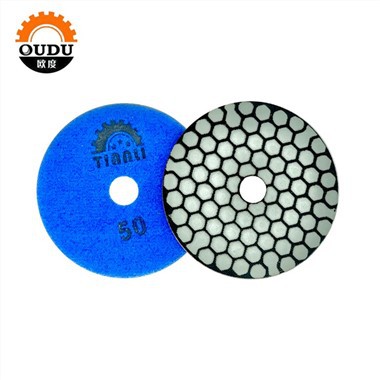
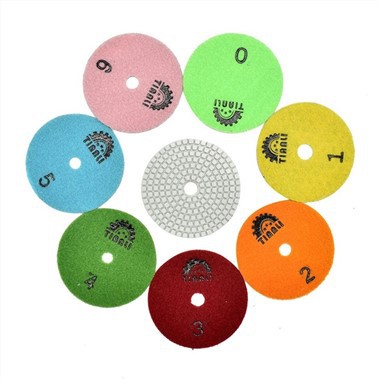
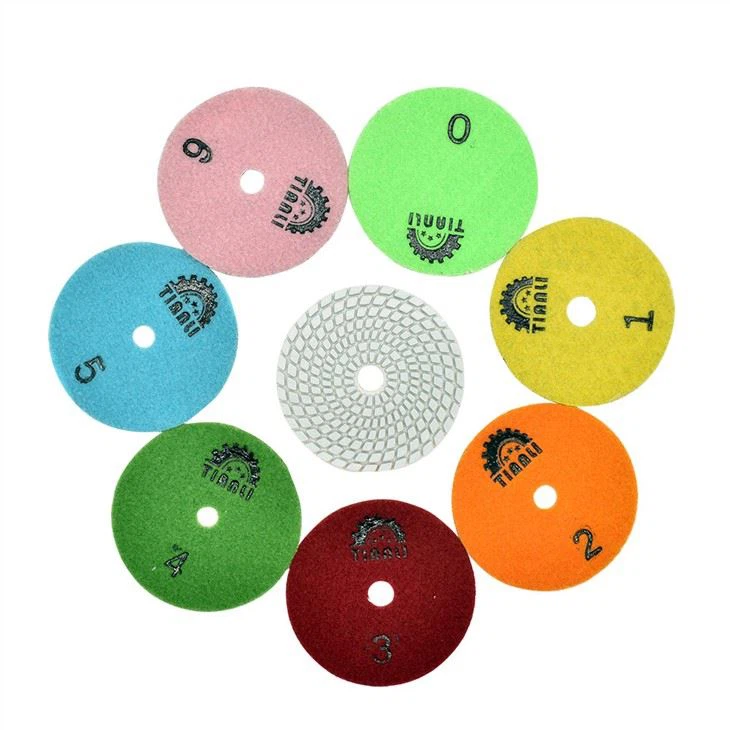
Wet Polishing Pads are Premium Diamond Tools for polishing granite and marble. These are flexible 4" inch pads with Velcro backing and straight slots. They come in various grits to achieve the perfect shine on your granite or marble project.


First 1234567 Last 1/46

Advantages of Wet Polishing Pad

Cooling effect

When using liquid abrasives, the temperature of the polished surface can be effectively cooled, preventing deformation and quality problems due to excessive heat.

Prevent affecting the surface quality

The abrasive particles suspended in the liquid medium can enter all the surface details in a uniform way, so as to achieve the purpose of polishing the surface without leaving uneven marks and scratches on the surface.

High speed

When polishing with liquid abrasives, the process can be accelerated by spraying the liquid media to achieve a high speed finish.


The Correct Way to Use Wet Polishing Pads


Choose the right wet polishing pad
● Material hardness: Determine the hardness of the material being processed. Softer materials such as marble or limestone require softer wet polishing pads to prevent excessive material removal and achieve a smooth surface. On the other hand, harder materials like granite or concrete require a more abrasive pad to effectively remove the material and achieve the desired results.
● Grinding or polishing requirements: Determine the specific grinding or polishing requirements of your project. If your goal is a high gloss finish, choose a wet polishing pad with fine grit. For heavy-duty grinding operations, consider using a wet polishing pad with a coarser grit for efficient material removal.
● Surface Quality: Consider the surface quality required for your project. Different wet polishing pads are designed to achieve specific finishes, such as a high-gloss, mirror finish, or a textured, matte finish.
● Material Compatibility: Make sure the wet polishing pad you choose is compatible with the material you're working with. Different materials require specific wet polishing pads for best results. Verify that the wet polishing pad you choose is suitable for use with the material you are working with.
● Particle size: Consider the particle size of a wet polishing pad, which refers to the grade of abrasiveness. Coarse particle sizes are suitable for initial grinding and material removal, while finer particle sizes are better for achieving a polished surface.


Install wet polishing pads
First, make sure your grinding or polishing equipment is turned off and unplugged or disconnected from any power source. Pick up the wet polishing pad and inspect the mounting holes on the device. Make sure the wet polishing pad matches the size and pattern of the mounting holes. Align the mounting holes of the wet polishing pad with the corresponding holes on the device. Once properly aligned, place the wet polishing pad over the device, making sure it is firmly and evenly seated on the surface. Depending on your specific equipment, you may need to use nuts or fasteners to hold the wet polishing pad in place. Consult the device's instructions or user manual for the correct method. Using an appropriate tool, such as a wrench or screwdriver, tighten the nuts or fasteners to ensure the wet polishing pad is securely attached to the equipment. Once the wet polishing pad is securely attached, you can connect the device to a water source if wet polishing is required. Again, refer to the device instructions for the correct water connection method. Once everything is properly installed and connected, you can turn on the equipment and start the wet polishing process.


Wetting wet polishing pads
Prepare a clean container or bucket with water or a recommended wetting agent. If using a wetting agent, follow the manufacturer's instructions for proper dilution. Dip the wet polishing pads into water or a wetting agent, making sure they are completely submerged. Let the wet polishing pad soak for a few minutes to fully absorb the moisture. Remove the wet polishing pad from the water or wetting agent and allow excess liquid to drain. Gently squeeze or wring out wet polishing pads to remove excess water, making sure they are moist but not dripping. Attach the wet polishing pad to the appropriate equipment according to the instructions provided by the manufacturer. Begin using the wet polishing pad on the desired surface, applying even pressure and moving in a consistent pattern. Check the humidity of the wet polishing pad regularly during use. If they start to dry out, reapply water or moisturizer as needed. After completing the wet polishing process, clean the wet polishing pad thoroughly and allow it to air dry, then store it for future use. Remember to wear appropriate personal protective equipment, such as gloves and goggles, when wetting and using wet polishing pads.


Role of Wet Polishing Pads


Wet polishing pads are a tool used for grinding and polishing, and their main function is to transform rough and rough surfaces into smooth and fine surfaces. Wet polishing pads are distinguished by different colors and hardness levels to suit different types of materials such as stone, flooring and automotive surfaces. The use of wet polishing pads increases efficiency and results in a smoother and more detailed finish.


Wet and Dry Polishing Similarities


When it comes to the actual task of polishing stone. There are many similarities between wet polishing and dry polishing. We will consider a couple of these parallels here.


The Tools
The tools used to perform polishing on granite, marble, or other materials are very similar in nature. First, both processes use some sort of grinder that can be used to spin a series of “pads” or “discs” at a high rate of speed. These discs (or pads) vary in how coarse the surface is. This is similar to how sandpaper is described for woodworking. These pads are designed in a particular way.
The polishing pads are very frequently designed with a hook and loop style backing that allows for easy fastening and removal from the grinding machine. The surface that is used to actually polish the natural or engineered stone is made from a resin that has diamond dust suspended inside the pad.


The Process
The process also has similarities. Whether you are wet polishing or dry polishing, the process works like this; You begin with a coarse polishing pad and you grind the surface of the stone with it for the proper amount of time. You then repeat that action with a pad that has a finer “grit”. Again, this is much like sanding wood only the process is used on stone. This is repeated for the number of steps required based on the polishing pad system you are using. Once you have completed the series, you have a smoothly polished stone surface.

7 Inch Durable Diamond Polishing Pad
最佳品质 4 英寸湿/干 3m 抛光垫花岗岩工具抛光垫

5 Reasons Why Wet Polishing Pads Are Best for Concrete


100% dust-free operation and crystalline silica safety
Wet polishing offers a dust-free environment and significantly reduces the risk of crystalline silica exposure. Unlike dry polishing, which releases silica particles into the air, wet polishing interrupts silica dust at its source by liquefying it, thus preventing it from becoming airborne.
This method is crucial for worker safety, as inhaled silica can lead to severe lung diseases. However, even with these advantages, it’s important to remember that wet polishing produces concrete slurry, which requires proper disposal.


Tooling longevity and efficiency
Wet polishing extends the life of diamond tooling. The water prevents tools from overheating and reduces friction, maintaining the tooling in good condition for longer than dry polishing.
This aspect mainly benefits surface preppers who often deal with tool wear and tear. We recommend higher grit levels to achieve a smoother gloss, similar to dry polishing results. Specialized diamond tooling products are also available for wet polishing.


Reduced overheating and pitting
Lower operational temperatures in wet polishing prevent the melting of tools and reduce pitting in the concrete surface, resulting in a smoother and more durable polished surface, addressing one common issue in dry polishing.


Surface quality and high gloss
Wet polishing avoids surface abrasion and can achieve a high gloss and refined surface finish. This method provides quality results on par with dry polishing, ensuring an aesthetically pleasing and durable polished concrete surface.


Simplified slurry management
Modern advancements in slurry management have made the cleanup process associated with wet polishing much more manageable. Products like wet vacuums with pre-separators and solidification agents help efficiently separate and dispose of the slurry, turning what was once a cumbersome process into a more straightforward task.

Wet Polishing Pad Maintenance


In order to maintain the service life and polishing effect of the polishing pad, the following maintenance points need to be noted:


● Clean the polishing pad after use. Soak the polishing pad in warm water, add the right amount of cleaner, scrub gently with a brush, and then air dry.


● Avoid excessive wear. If the polishing pad is badly worn, the polishing effect will be reduced. Therefore, polishing pads need to be replaced regularly.


● Store the polishing pads in a moisture-proof manner. Keep the polishing pads in a dry environment to avoid moisture.

3 Step High Quality A Diamond Polishing Pads For The Stone Fabrication Quartz Polishing Pads


Differences Between Wet and Dry Polishing


There are a couple of main differences between the wet and dry stone polishing techniques. These differences are primarily influenced by 1) The pad design and 2) The work environment.


The Design of the Pads
The polishing pads tend to heat up as they are used to wear away the stone’s surface.
Dry polishing pads are designed to withstand a higher temperature than are the wet pads. Yet, wet polishing can sometimes provide a higher degree of shine due to the fact that the pads are kept cooler. However, technology has now produced dry pads that can compete very well with wet pads.


The Work Environment
The cooling of the pads is one of the functions of the water used in the wet polishing technique. Another task the water performs is the cleaning away the dust that is generated from the wearing down of the stone.
The necessary presence of water in the environment means that the fabricator will most likely need to have an area designed specifically for wet polishing. The water can create quite a mess and setting up a wet polishing environment in the customer’s home is just not practical. Therefore, using wet polishing pads is usually better suited for a fabrication shop.
Dry polishing pads do not require the water to cool the pads. Because of this dry pads are potentially a better choice on site polishing and installs. They do however cause dust in the environment. This can require you to utilize some sort of dust collection system to remove the particles form the air to keep the environment clean.


Should the Buffing Pad Be Wet or Dry?


When it comes to achieving a polished and pristine finish on various surfaces, the question of whether to use a buffing pad wet or dry often arises. Both methods have their benefits, but understanding the differences and when to apply each technique is crucial for optimal results.


Wet Buffing Pad Technique
Wet buffing involves applying water or a specialized lubricant to the surface before using the buffing pad. This method offers several advantages:
● Cooling Effect: The water or lubricant acts as a coolant, reducing heat generated during the polishing process. This is particularly important for preventing overheating on sensitive surfaces.
● Dust Reduction: Wet buffing minimizes the production of dust and debris, keeping the work area cleaner and reducing the need for frequent cleanup.
● Improved Lubrication: The lubricating properties of water or dedicated solutions can enhance the pad’s efficiency, promoting smoother pad movement and better polish distribution.
● Surface Protection: The presence of water or lubricant forms a protective barrier between the buffing pad and the surface, reducing the risk of abrasion and swirl marks.


Dry Buffing Pad Technique
Dry buffing involves using the buffing pad without any additional liquid lubrication. While this approach might seem straightforward, it offers its own set of benefits:
● Precision and Control: Dry buffing provides greater control over the polishing process, allowing you to focus on specific areas or imperfections.
● Enhanced Visibility: Without the presence of water or lubricant, you have a clearer view of the surface being polished, enabling you to monitor the progress more effectively.
● Efficient Finish: Dry buffing can yield a faster and more efficient result, especially for tasks where minimal cooling is required.
● Compatibility: Some surfaces or products might not be compatible with water or lubricants, making dry buffing the preferred option.


When to Choose Wet vs. Dry Buffing
The choice between wet and dry buffing depends on factors such as the type of material, the surface’s sensitivity, and your specific goals:
● Wet Buffing: Choose wet buffing for sensitive surfaces, larger areas, or tasks that generate a lot of heat. It’s also an excellent choice for preventing dust buildup and enhancing lubrication.
● Dry Buffing: Opt for dry buffing when working on materials that are sensitive to moisture, or when you need precise control over the polishing process.


Tips for Successful Buffing
● Wet Buffing Tips:
- Use a dedicated polishing lubricant or mix water with a mild detergent for effective wet buffing.
- Keep the surface adequately lubricated to prevent friction-induced damage.
- Wipe down the surface after wet buffing to remove any residual moisture.
● Dry Buffing Tips:
- Ensure the buffing pad is clean and free from any debris before starting dry buffing.
- Regularly inspect the surface for signs of overheating or abrasion during dry buffing.


Our Factory


Quanzhou Tianli Grinding Tools Manufacturer Company is currently the most professional manufacturer of abrasive stone. Founded in 1997, mainly engaged in resin abrasive, diamond abrasive, abrasive marble, granite, abrasive, abrasive and antique shaped abrasive such as different types of products.Since the inception date, the company insisted that "fine abrasive," the business strategy and market-oriented market strategy, with "high-tech, diversified, international" as a standard, strictly the company"s daily production operations, the establishment of strict production management, product quality assurance system and domestic and international marketing network, so that production and operation of "doing." With the growing size of the company, the company set up by the high level of professional and technical personnel consisting of R & D center, substantially increased the company"s core competitiveness, enterprise development and staff have made personal development sided win situation.Products through national and provincial quality inspection bodies of detection and identification, by the majority of praise and trust of customers home and abroad. Excellent product quality and stability, rare earth polishing superhard abrasive grinding and polishing the stone in the rapid and high gloss coating, its overall performance in the industry is leading. Product sold more than 20 provinces and the United States, Italy, Australia, South Korea, Japan, Thailand, Indonesia, the Netherlands and other countries.


FAQ


Q: Should you wet your polishing pad?

A: If the pad is dampened too much it will sling product everywhere and make a very undesirable mess on the vehicle and yourself! On the flip side if the pad is under dampened it will be difficult to use due to the stiffness of the pad and also be difficult for the product to absorb into the pad properly.

Q: When should you throw away a polishing pad?

A: If you take very good care of your pads, they should last for WAY more than 5 cars. Foam pads will feel a little softer after a few uses, but they will still work well. Agree! Clean well after use (and during use) and try not to overheat 'em.

Q: How many times can you use a polishing pad?

A: Wax and sealant application pads can last for hundreds of applications. Fine polishing pads can also last for many applications because they are being used gently.

Q: Can you wash and reuse polishing pads?

A: Buffing and polishing pads are comprised of pliable, washable, and reusable materials. So it's relatively easy to rinse them or throw them in the wash for reuse. Utilizing a dedicated pad cleaner such as CARPRO MFX will aid in removing polish or wax.

Q: Why do polishing pads turn black?

A: It could've turned black due to a number of things, usually it's because the pad comes in contact with rubber trim alongside the sunroof or around the windows, etc. Add that up with the cleaning of the paint that's happening and you could wind up with a black pad in a matter of seconds.

Q: How long does a polishing pad last?

A: If you have a rotary polisher you can also use it to spin the pads at a high speed which removes a lot of water too. If cared for properly, the pads should last you a pretty long time. Many detailers I know have some pads in use for well over a year, though I tend to replace mine a little more often than that.

Q: What is the difference between buff pad and polish pad?

A: Buffing is more aggressive and uses an abrasive compound to clear away marks and scratches while polishing is less intense and uses a smoother abrasive material to create a shiny, reflective surface.

Q: Why do some polishing pads have a hole in the middle?

A: The perforations provide a break in the surface tension of the material and help to prevent suction on the surface of the pad.

Q: How do you prime a polishing pad?

A: Priming clean, dry pads
Apply the desired product to a clean, dry pad. Use your finger to spread the product over the work surface of the pad. Work the product into the pores to ensure that no foam is left dry.

Q: Are buffing pads one time use?

A: Some products wash out easier than others and some leave permanent staining. They look fine to keep using and the finishing pad is so soft that as long as it`s not shedding any material it should be fine to use. Cutting (and some polishing) pads wear and lose their "cut"; they become less aggressive.

Q: What is the difference in color of polishing pads?

A: The green pad is most suitable for deep scratches and hard lacquers. The grey pad is most suitable for extreme gloss and soft lacquers. The yellow and white are in between. The yellow pad has a little more abrasive power, the white pad gives a little more gloss.

Q: What do you spray on buffing pads?

A: Mist the pad with 1 - 3 spritzes of Polishing Pad Conditioner. Use Chemical Guys Polishing Pad Conditioner on any foam, microfiber, or wool buffing and polishing pads whenever compounding or polishing.

Q: What is the best polishing pad for oxidation?

A: WOOL PAD - highly aggressive pads used for cutting or heavy compounding and removes extreme swirls or oxidation on very hard paint. It removes heavy oxidation much better than foam pads and generates less heat resulting in cooler surface.

Q: How often should you change buffing pads?

A: If you are the kind of person who buffs the car just once or twice a year, then you can use your buffer pads for two to three years straight. Buffer pads have two primary functions – removing unsightly marks left behind by compounding and polishing your car paint mechanically.

Q: Are all polishing pads the same?

A: On the face of it there are many, many different types of polishing pad, but these can be quickly broken down into categories according to their size and materials used. In detailing circles at least there are three types of pad available - foam, microfibre and wool.

Q: How many polishing pads do you need to polish a car?

A: As a general rule of thumb, I use 1 pad per panel, which comes out to about 4-6 pads per car. This means if you are performing a two step polishing process, I will use 4-6 heavy correction pads and 4-6 light correction pads. I use each pad on the hood, trunk, front quarter panels, sides, and the rear quarter panels.

Q: What are the three levels of buffing pads?

A: Below, we explore the three main types of foam buffing pads—soft, medium, and firm—each serving specific purposes and yielding different results.

Q: How do diamond polishing pads work?

A: "Resin based diamond pads are used to obtain a fine surface on your glass in preparation for a final polish with cerium oxide. The diamonds are enclosed in a phenolic resin and move around within that resin providing a very fine scratched surface on your glass."

Q: How do you clean polishing pads between panels?

A: Hold a bristle brush against a foam pad and turn on the electric polisher. Gently push down with the brush to apply light pressure to the pad while it spins. Using a scrub brush will help remove residue without harming the pad. Avoid applying too much pressure with the brush because it might damage the foam on the pad.

Q: Should I wet my polishing pad?

A: Wet polishing pads are often credited with giving an overall better shine, however with the dry pad technology catching up, there isn't an awful lot difference. Location will most likely be the main factor in choosing your equipment.

With over 20 years' experience, we are one of the most reliable wet polishing pad manufacturers and suppliers in China. Please rest assured to wholesale high quality wet polishing pad in stock at a discount price from our factory.

Resin Polishing Pad, Buffer Polisher Pads, Marble Polishing

(0/10)

clearall