Q: What is a backing pad used for?
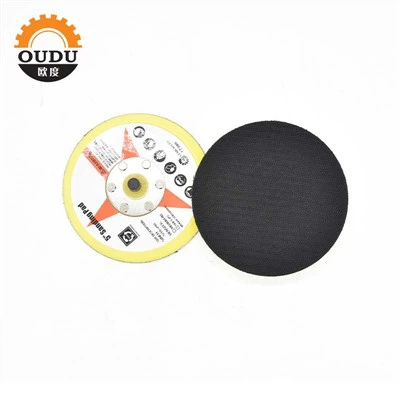
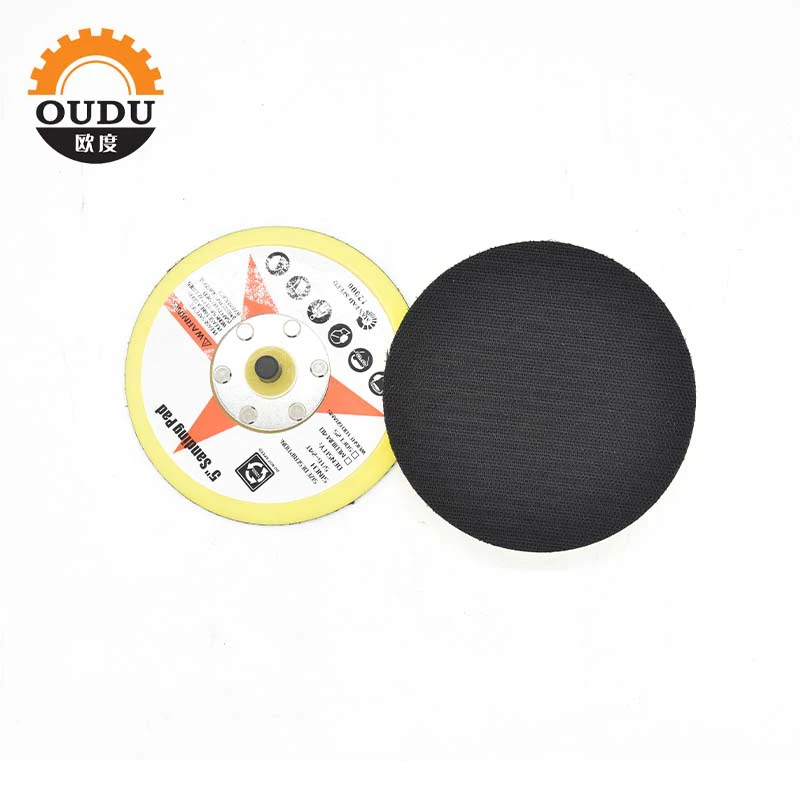
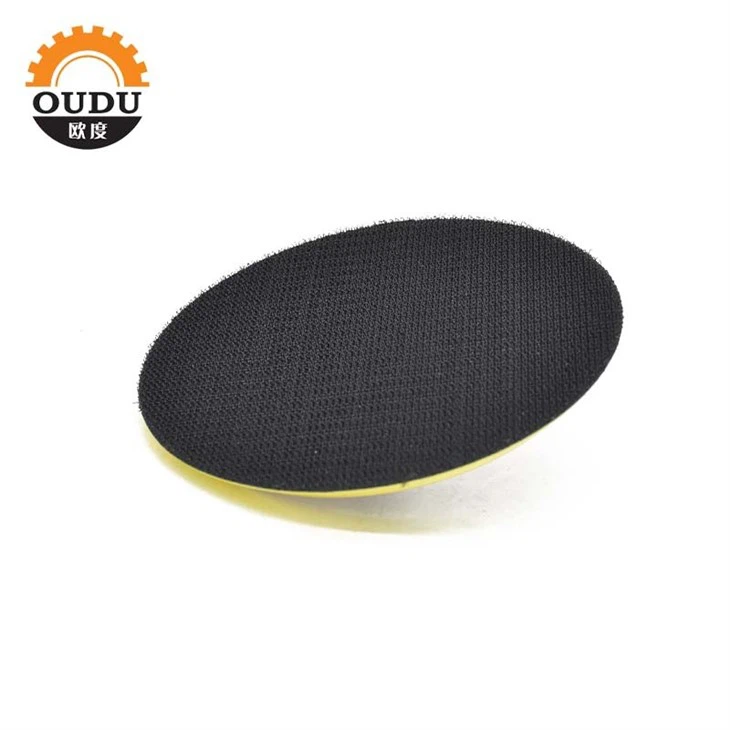
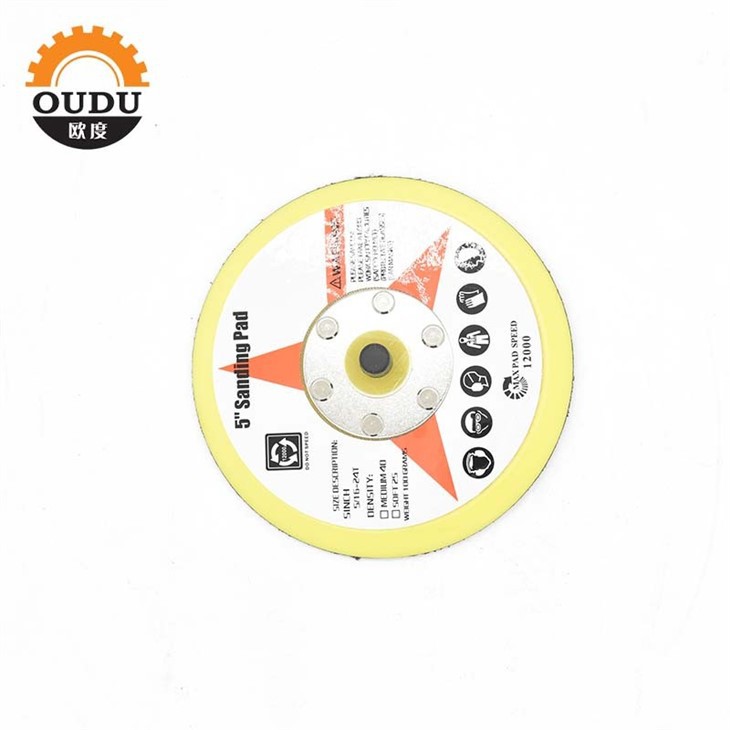
A: A backing pad is an attachment that secures sanding discs and other accessories on power tools. It goes beneath the sanding discs to provide adequate cushioning for the highest performance. Backing pads also help ensure the disc's entire surface area is available for the project, which provides the most even finish.
Q: What is a rubber backing pad?
A: The Stadea Series Standard A, Flexible rubber backing pad is designed to polish surface edges with a minor change in shape with or without water. The hook and loop attach the polishing or sanding pads. Note - Stadea offers flexible backing pads with three flexibility levels, Refer to the chart below for more details.
Q: What are rubber pads made of?
A: Types of rubber pads
Foam rubber pads: These pads are made of natural rubber (latex) or synthetic rubber in various weights and thicknesses. There are numerous foam materials in a various densities so that you can attain the feel and compression that your application requires.
Q: Should area rugs have rubber backs?
A: The rubber backing helps area rugs stay in place and not shift around as much. We highly recommend this pad. The felt also adds cushion, which is really nice to have underfoot!
Q: How often do you change sanding pads?
A: It's hard to tell exactly how long your sandpaper will last. It really depends on what you use it for, as well as how frequently you use it. For example, if you sand by hand or only use abrasives for polishing or touch-ups, a good product will last you for months.
Q: Why wont my pad stick to orbital sander?
A: If you are experiencing issues with your sanding discs not sticking to your sander, it's likely because the hooks on your sander's back-up pad are worn out. These hooks, which hold the loop backing of the sandpaper discs, can soften and melt over time due to the heat generated during constant sanding.
Q: Why do sanding pads have holes?
A: These holes help to pull dust away from the sandpaper's surface so it doesn't become clogged with sanding debris. Without the holes, the dust would gunk up on the sandpaper surface which would create a layer between what you are sanding and the abrasives, causing it to not effectively work.
Q: What is the difference between buff pad and polish pad?
A: Buffing is more aggressive and uses an abrasive compound to clear away marks and scratches while polishing is less intense and uses a smoother abrasive material to create a shiny, reflective surface.
Q: Which pad is for buffing?
A: As a broad group, “buffing pads” are typically made of wool, acrylic fibers, or foam. Pure wool pads tend to be more abrasive, and are most often used for compounding.
Q: What is the difference between a polishing pad and a finishing pad?
A: POLISHING PAD - used for paint cleaning, remove swirl marks, light scratches, fine sanding scratches, and other defects in your car's paint. FINISHING PAD - provides very little or no cut. Use for applying pure polish, wax, glazes, and sealant without marring the paint and produce a high gloss show car shine finish.
Q: What are the grades of backing for sandpaper from lightest to heaviest?
A: Papers graded A to C-weight are considered lighter and are commonly used for hand sanding applications. Heavier-backed paper graded D, E or F-weight is most commonly found in sheets, belts, or discs that are most useful for power sanding.
Q: What is a sander backing pad used for?
A: A backing pad is an attachment that secures sanding discs and other accessories on power tools. It goes beneath the sanding discs to provide adequate cushioning for the highest performance. Backing pads also help ensure the disc's entire surface area is available for the project, which provides the most even finish.
Q: What is an interface pad on a sander?
A: Interface pads, also called backup pads, offer a smoother sand and more flexibility for a variety of projects. The soft interface pad goes directly between the sander backing plate and the abrasive disk of a powered sander.
Q: What is a pad saver for sander?
A: Pad Saver for Random Orbital Sanders notably extends the backing pad´s lifetime. Optimises adhesion between the abrasive disc and the backing pad. Perfect for net abrasives for use with random orbital sanders.
Q: Can you put polishing pads on a sander?
A: Most sanders can be converted to polishers either by using adapters or different plates or some simply by putting on a polishing pad. However note that a small palm-sized RO isn't going to make things that much faster or easier, however it will be good for small area polishing and for bumpers and stuff.
Q: Should I wet my polishing pad?
A: Wet Polishing Pads
Keeps the stone cool allowing for a better and more consistent shine on multiple surfaces. Pads tend to last longer than dry pads. Traps dust particles, which makes the process safer for the fabricator.
Q: Are polishing pads one time use?
A: Are Polishing Pads Reusable? Absolutely. In use, polishing pads will gradually become saturated with spend compound/polish and paint residue, and by far, the best way to clean them out (whether they be wool, microfiber or foam) is with a dedicated pad washer.
Q: Can you reuse polishing pads?
A: So it's relatively easy to rinse them or throw them in the wash for reuse. Utilizing a dedicated pad cleaner such as CARPRO MFX will aid in removing polish or wax.
Q: Can you wash out buffing pads?
A: Make sure the bucket has enough water to submerge the pads. For foam based pads, woven pads, bonnets, microfiber towels and more, just put them in the bucket with the mixture and lightly agitate. Let items continue to soak for 15-30 minutes. Next, hand wash in the bucket, working out the chemicals and rinsing well.
Q: What is a rubber backing pad?
A: The Stadea Series Standard A, Flexible rubber backing pad is designed to polish surface edges with a minor change in shape with or without water. The hook and loop attach the polishing or sanding pads. Note - Stadea offers flexible backing pads with three flexibility levels, Refer to the chart below for more details.